
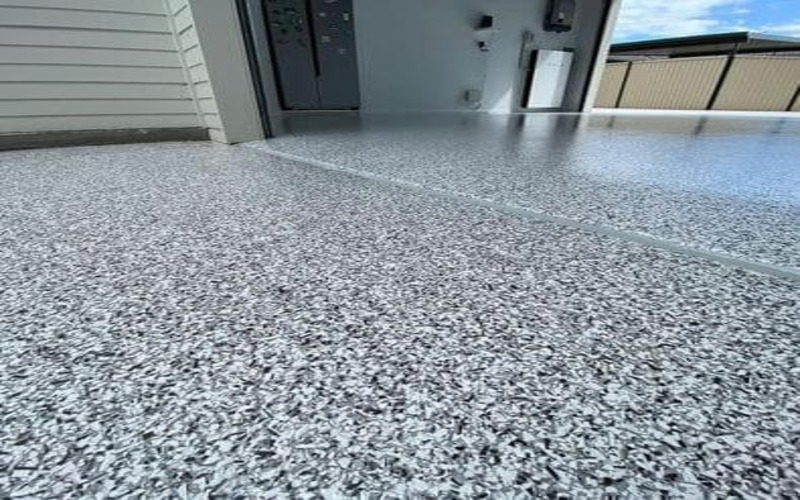
When it comes to upgrading your garage with a durable, attractive coating, choosing the right material is key. In Dallas, where weather conditions can vary from scorching summers to sudden rainstorms, selecting between polyaspartic and polyurea for your epoxy flooring can make all the difference. Both options offer unique benefits for garage flooring, but understanding their differences will help you decide which suits your needs best. As a trusted epoxy floor contractor serving Dallas, Fort Worth, and surrounding areas like Argyle, TX, we’re here to break down these two popular choices to guide your decision.
Understanding Polyaspartic Coatings
Polyaspartic coatings are a type of epoxy flooring known for their fast curing times and high resistance to UV damage. This makes them an excellent choice for Dallas garages, where sun exposure can fade or yellow traditional epoxy over time. Polyaspartic floors are also highly durable, resisting scratches, stains, and chemicals commonly found in garage settings, such as oil or gasoline. Homeowners in Texas often appreciate the quick installation process, which means less downtime for your space.
Exploring Polyurea Coatings
On the other hand, polyurea coatings are prized for their incredible strength and flexibility. Unlike polyaspartic, polyurea can withstand extreme temperature fluctuations, making it a solid option for garages in areas like Denton or Fort Worth, where weather can be unpredictable. This material is also highly resistant to abrasion and impact, ideal if your garage doubles as a workshop or storage space. While it may take slightly longer to install compared to polyaspartic, the long-term durability often justifies the wait for many Texas homeowners.
Comparing Key Factors for Dallas Homeowners
Climate Considerations
Dallas summers can be brutal, with temperatures often exceeding 100°F. Polyaspartic coatings hold up well under UV exposure, preventing discoloration. However, polyurea’s flexibility allows it to expand and contract without cracking during temperature swings, which can occur during sudden Texas cold fronts.
Installation Time
If you’re looking to minimize disruption, polyaspartic is often the better choice due to its rapid curing time. Many Dallas homeowners can have their garage flooring completed in just a day or two. Polyurea, while slightly slower to set, still offers a relatively quick turnaround compared to traditional epoxy options.
Longevity and Maintenance
Both materials are low-maintenance, requiring only occasional sweeping and mopping to keep them looking fresh. Polyurea might edge out slightly in terms of sheer toughness, especially for high-traffic garages. Meanwhile, polyaspartic offers a glossy finish that enhances the aesthetic appeal of home epoxy flooring in Dallas properties.
Which Option Fits Your Garage Needs?
Ultimately, the choice between polyaspartic and polyurea depends on your specific priorities. If quick installation and UV resistance are top concerns, polyaspartic is likely the way to go. For those prioritizing maximum durability and flexibility in harsh conditions, polyurea could be the better fit. Whether you’re in Dallas, Argyle, TX, or nearby cities like Fort Worth, working with an experienced epoxy floor contractor ensures you get tailored advice for your garage flooring project.
Both options can elevate the look and functionality of your space, protecting your investment for years to come. Consider your garage’s usage, local climate, and aesthetic preferences to make an informed decision that suits your lifestyle in Texas.